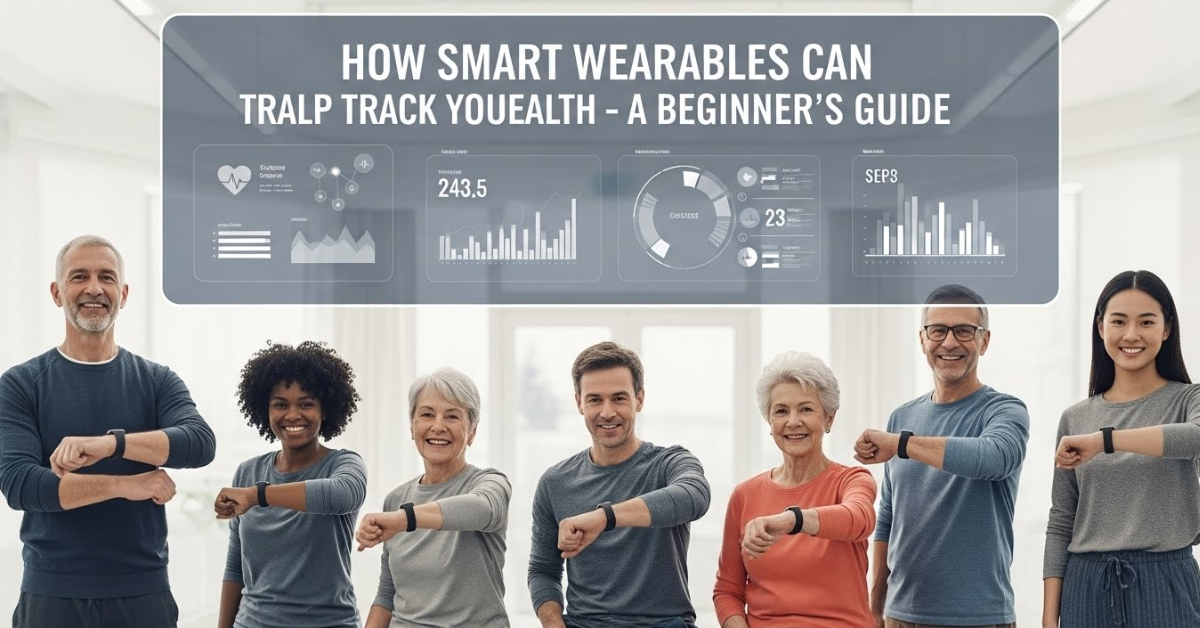
Smart wearables have moved far beyond being simple step counters or trendy accessories. Today, they have become powerful personal health assistants that help people monitor vital health metrics, stay active, improve sleep, manage stress, and build healthier daily habits. For beginners, the world of smart wearables can feel overwhelming, with so many features, brands, and technical terms to understand. This guide explains everything in a simple and practical way so you can confidently use smart wearables to support your health journey.
What Are Smart Wearables?
Smart wearables are electronic devices designed to be worn on the body. These include smartwatches, fitness bands, smart rings, and even smart clothing. They use built-in sensors to track health and fitness data in real time. Most wearables connect to your smartphone via Bluetooth and store information in a companion app for easy viewing and analysis.
Popular examples include smartwatches like Apple Watch, Samsung Galaxy Watch, Fitbit, Mi Band, Garmin, and other fitness trackers. These devices are now widely used by people of all ages who want to stay aware of their physical well-being.
Why Smart Wearables Are Important for Health Tracking
Traditional healthcare often relies on occasional check-ups and self-reporting. Smart wearables offer continuous monitoring, allowing users to track changes instantly and spot early warning signs. This real-time data helps users become more proactive about their health instead of reacting only when problems occur.
Key benefits include:
- Better awareness of daily activity levels
- Early detection of irregular health patterns
- Motivation to stay consistent with fitness goals
- Improved lifestyle habits
- Easy tracking without complex equipment
Core Health Features of Smart Wearables
1. Step Count and Activity Tracking
One of the most basic yet useful features is step tracking. Smart wearables calculate how many steps you take per day and show your overall movement levels. This encourages users to stay active and reach daily goals such as 8,000 or 10,000 steps.
They also track:
- Distance walked or run
- Active minutes
- Calories burned
- Sedentary time
These insights are essential for people trying to lose weight, stay fit, or avoid a sedentary lifestyle.
2. Heart Rate Monitoring
Wearables continuously measure your heart rate using optical sensors. This helps you understand:
- Resting heart rate
- Active heart rate during exercise
- Recovery rate after physical activity
Monitoring heart rate helps detect unusual spikes or drops, which may indicate stress, dehydration, or other health issues. It also helps users adjust workout intensity for safer and more effective exercise.
3. Sleep Tracking
Quality sleep is vital for physical and mental health. Smart wearables track sleep duration and sleep stages such as:
- Light sleep
- Deep sleep
- REM sleep
They provide detailed sleep reports and suggest ways to improve sleep quality, such as adjusting bedtime, reducing screen time, or improving sleep routines.
4. Blood Oxygen (SpO2) Monitoring
Many modern wearables track oxygen saturation levels in the blood. This is particularly helpful for people with breathing issues or those who want better insight into their respiratory health. Low oxygen levels can indicate fatigue or underlying health concerns.
5. Stress Monitoring and Breathing Guidance
Smart wearables detect stress levels using heart rate variability and other data. When stress levels rise, the device may suggest breathing exercises or relaxation techniques. This helps users manage emotional wellbeing and reduce anxiety.
6. Workout Modes and Fitness Tracking
Wearables offer multiple workout modes such as:
- Running
- Cycling
- Yoga
- Swimming
- Strength training
These modes track performance details such as time, pace, heart rate zones, and burned calories, helping users improve their workouts safely and effectively.
7. Health Alerts and Reminders
Smart wearables send reminders to:
- Move after long periods of inactivity
- Drink water
- Practice deep breathing
- Stretch or stand up
These gentle alerts help create healthy habits and prevent long-term health problems caused by inactivity.
How Beginners Can Start Using Smart Wearables for Better Health
Choose the Right Device
Select a wearable based on your needs:
- For basic health tracking: Fitness band
- For full health monitoring: Smartwatch
- For sleep-focused users: Smart ring or band
Consider battery life, comfort, mobile compatibility, and ease of use.
Set Realistic Health Goals
Most wearables allow you to set personalized goals such as:
- Daily step goals
- Calorie targets
- Weekly workout plans
- Sleep duration targets
Start small and increase gradually to avoid burnout.
Understand the Data Properly
Wearables provide large amounts of data. Learn what each metric means rather than focusing only on numbers. For example:
- Slow progress is still progress
- Heart rate changes can reflect stress, not illness
- Sleep patterns improve with consistency
Stay Consistent
The real benefit of smart wearables comes from regular use. Wearing your device daily helps you notice trends, improvements, and areas that need attention.
Advantages of Using Smart Wearables
Smart wearables offer several advantages over traditional health tracking methods:
- Continuous real-time health monitoring
- Easy data visualization in mobile apps
- Increased motivation and discipline
- Early detection of health issues
- Better awareness of lifestyle habits
- Custom recommendations based on personal data
For beginners, these benefits provide a simple and effective way to start taking control of their health.
Limitations You Should Know
While smart wearables are extremely useful, they are not medical devices. Their readings are generally accurate but should not replace professional diagnosis. Always consult a healthcare expert for serious health concerns.
Common limitations:
- Slight data inaccuracies
- Need for regular charging
- Dependence on smartphone connection
- Learning curve for beginners
Who Should Use Smart Wearables?
Smart wearables are suitable for:
- Fitness beginners
- Busy professionals
- Elderly people seeking health awareness
- Athletes and fitness enthusiasts
- Individuals managing lifestyle diseases
Even people with no prior fitness experience can benefit from simple daily tracking features.
How Smart Wearables Improve Long-Term Health
Consistent use of smart wearables helps users develop:
- Better exercise routines
- Improved sleep habits
- Increased activity levels
- Healthier eating choices
- Reduced stress levels
Over time, these positive changes can lead to improved heart health, better mental clarity, increased energy, and overall enhanced quality of life.
Tips for Maximizing Health Benefits
To get the most out of your smart wearable:
- Keep it charged regularly
- Sync data daily with mobile app
- Enable smart notifications
- Review weekly and monthly health reports
- Update firmware for better performance
Future of Smart Wearables in Health
The future of smart wearables includes advanced features like:
- Advanced ECG monitoring
- Blood pressure tracking
- Glucose monitoring
- AI-based health predictions
- Personalized wellness coaching
As technology improves, wearables will become even more reliable and essential for preventive healthcare.
Conclusion
Smart wearables have transformed the way people monitor and manage their health. From step counting and sleep tracking to stress monitoring and heart rate analysis, these devices provide simple yet powerful tools for improving overall wellbeing. For beginners, smart wearables serve as a stepping stone toward a healthier lifestyle by offering motivation, awareness, and actionable insights.
By choosing the right device, setting achievable goals, and staying consistent, you can turn a small wearable into a major investment in your long-term health. Whether you aim to stay fit, sleep better, reduce stress, or understand your body better, smart wearables make it easier than ever to stay on track.